Shelf 05 / Wellness
Supplements
Supplements are sold with the certainty of medicine and the scrutiny of snacks. That mismatch is the whole problem. We look for third-party testing, sensible doses, labels without a magic phrase, and products that are easy to take consistently. None of this is a substitute for a conversation with a clinician who knows you.


 02Supplements
Magnesium: The Form Matters More Than the Brand
Glycinate, citrate, oxide, threonate: the form and the elemental dose matter more than the logo, and the right choice depends on your stomach and your reason.
Read the guide 03Supplements
Vitamin D for People Who Live Indoors
D3 or D2, with K2 or without, 1,000 IU or 5,000: how to read a vitamin D label, and why a blood test is a better starting point than a guess.
Read the guide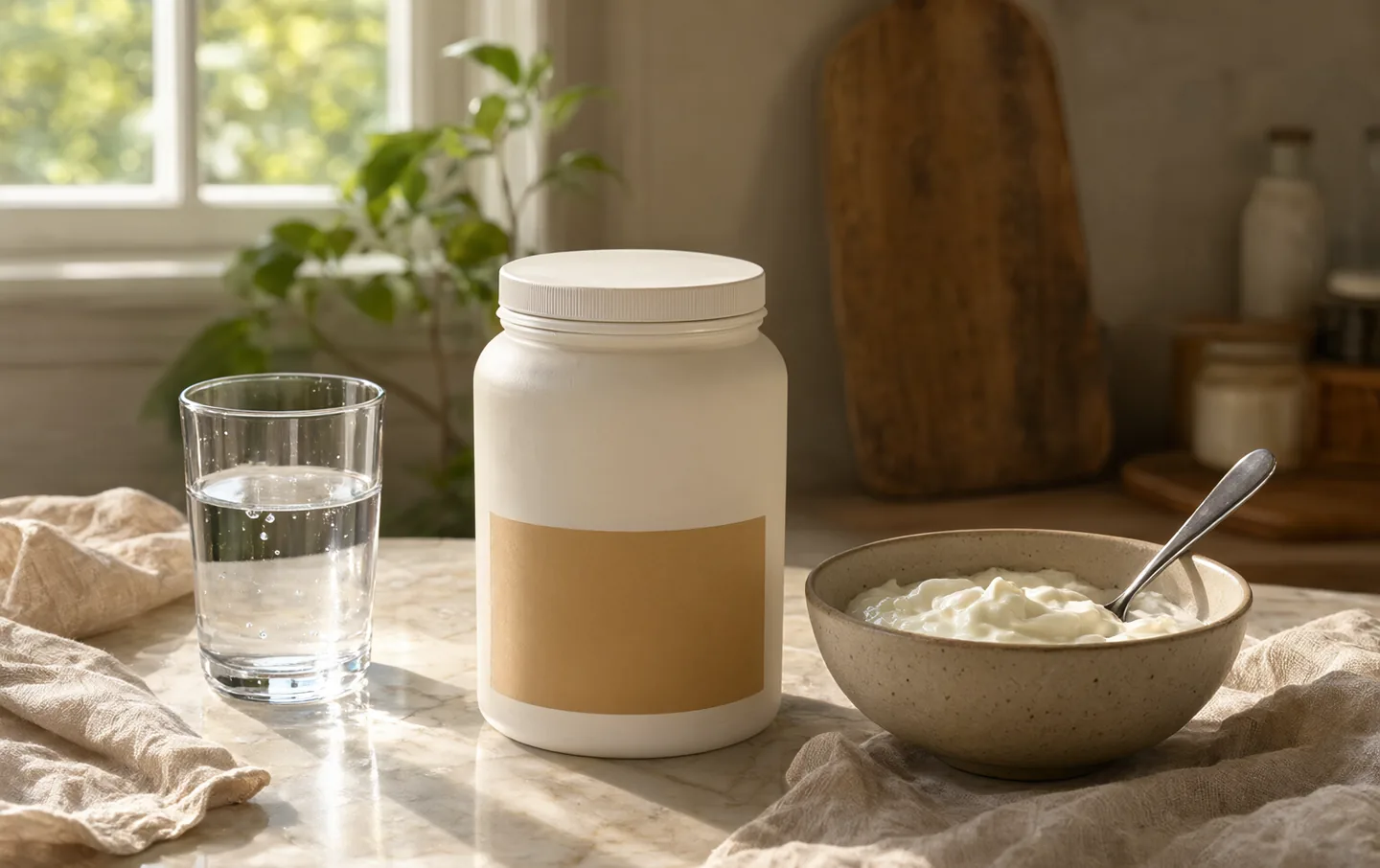 04Supplements
Probiotics for Skeptics
The CFU count is not the whole story. A skeptical guide to strain, expiry, and testing, and the difference between a live culture and a marketing claim.
Read the guide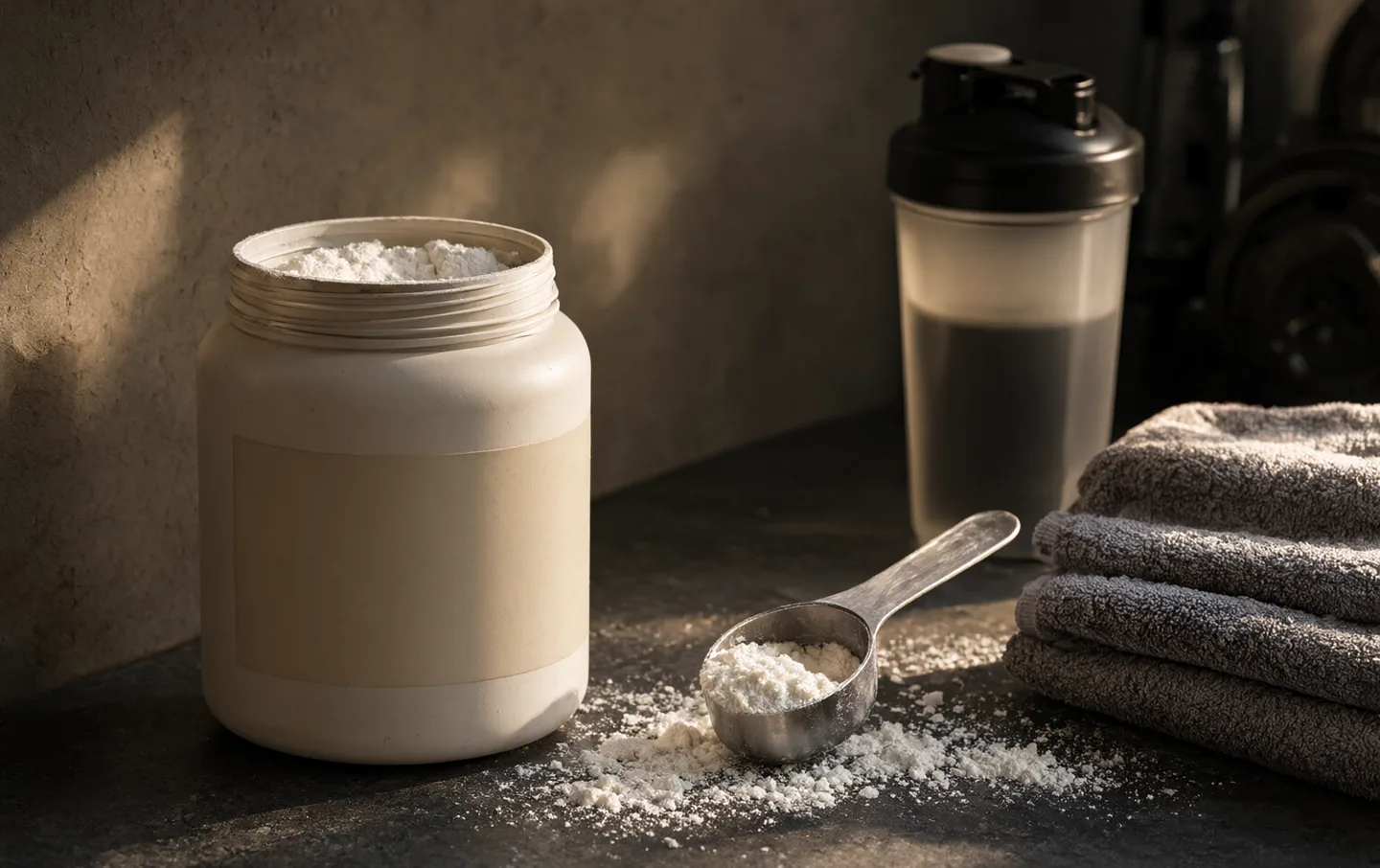 05Supplements
Creatine for People Who Don't Live in a Gym
The supplement with the best evidence is also one of the cheapest. What monohydrate does, what Creapure means, and why the extras are mostly noise.
Read the guide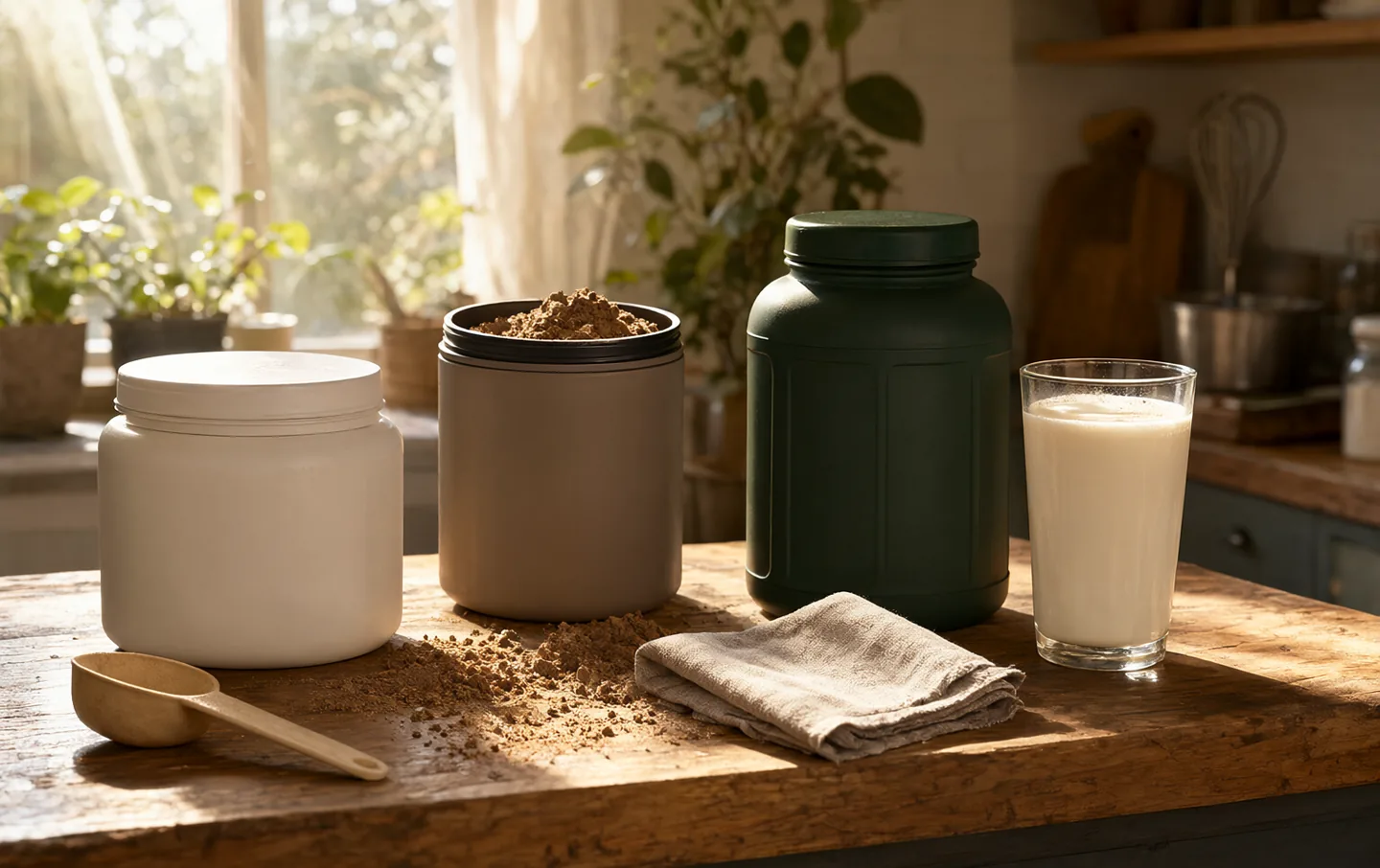 06Supplements
Protein Powder That Doesn't Taste Like Chalk
Protein per scoop is only half the label. How to compare isolates, blends, sweeteners, and testing without buying a tub you will never finish.
Read the guide 07Supplements
Do You Actually Need a Multivitamin?
For most people, food is the better buy. For some, a short formula helps fill a real gap. How to tell the difference before you spend $40 a month.
Read the guide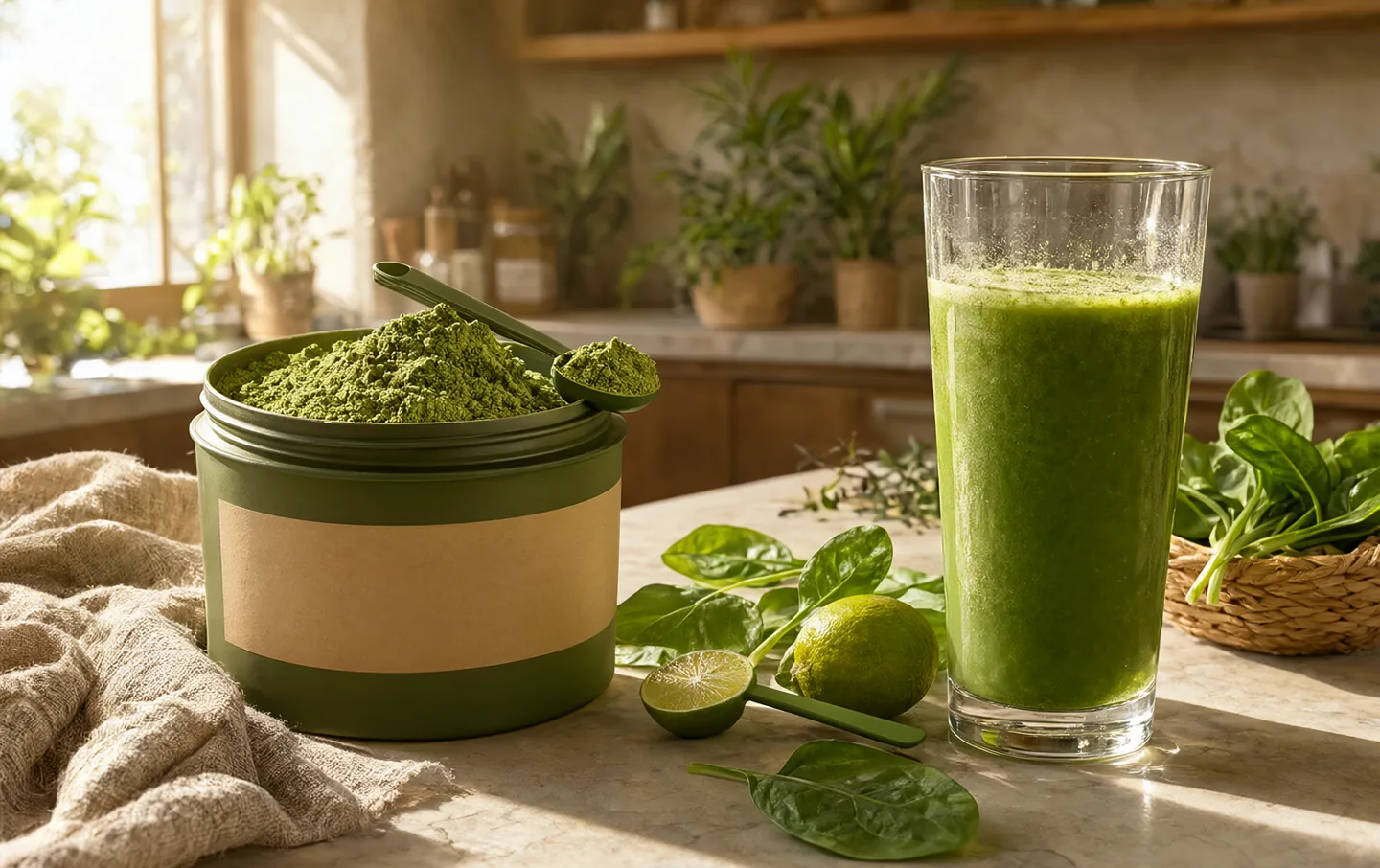 08Supplements
Greens Powders: Convenience or Compost?
A scoop is not a salad. What greens powders can realistically do, how to read a proprietary blend, and when the money is better spent on vegetables.
Read the guide 09Supplements
What Actually Helps You Sleep (and What's Overhyped)
A skeptical guide to melatonin, magnesium, and glycine: what the evidence supports, what it doesn't, and how to buy a dose you can adjust.
Read the guide 10Supplements
How to Read a Supplement Label Without a Chemistry Degree
Serving size, elemental doses, proprietary blends, and the seals that mean something: a field guide to the back of the bottle, no chemistry degree required.
Read the guideLess hype. More label.
Every guide on this shelf follows the same rules: start with the job, read the boring parts, and name the downside. Read the method.